
Tosca: Passion, Power, Legacy
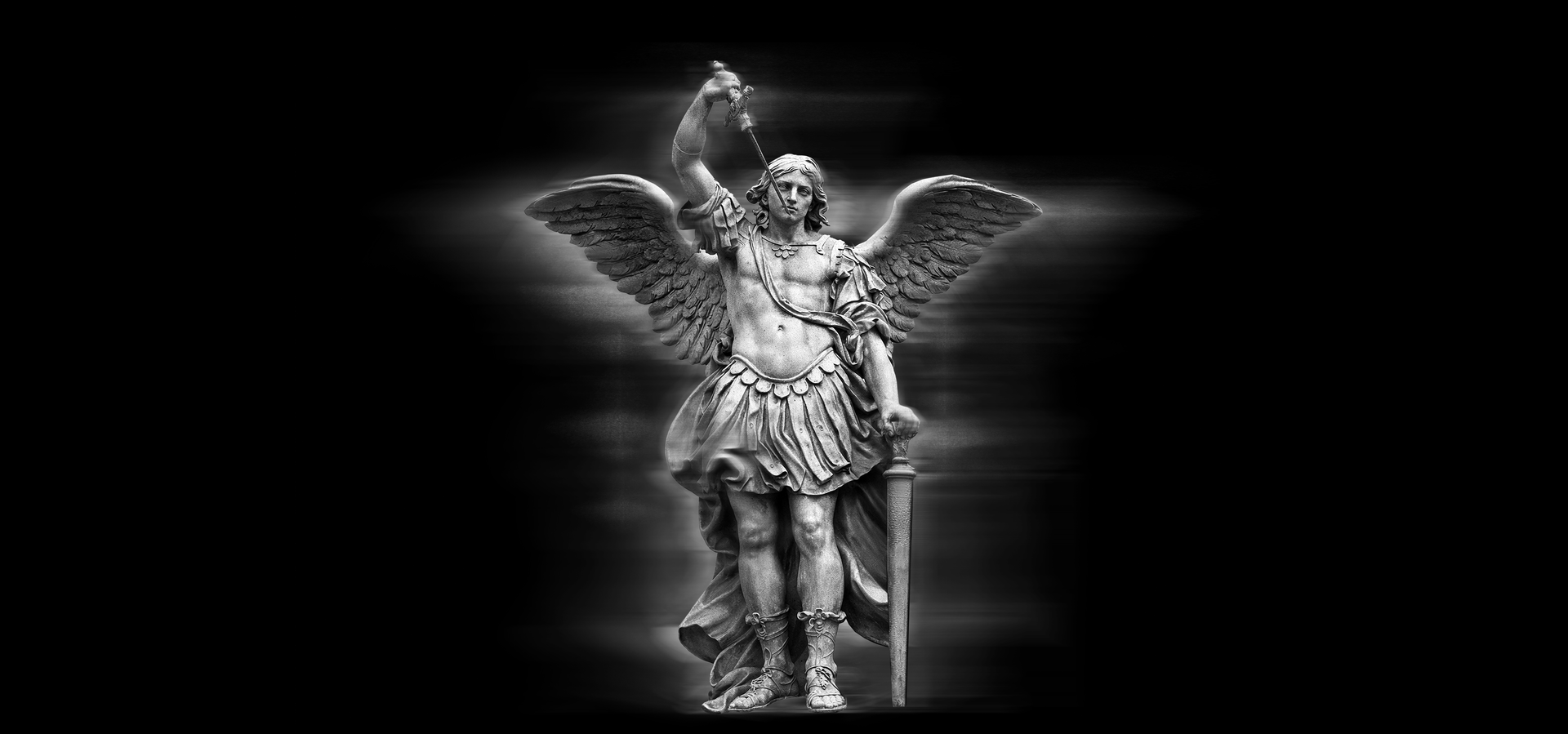
A statue is where it starts. A Roman god-like effigy, armed, winged, and beautiful — it's the symbol of Tosca, Puccini’s sweeping political thriller that opens our 2026/27 season at the Southern Alberta Jubilee Auditorium.
This statue is one of our "artifacts" — the singular figures that embody the emotional rides of our upcoming operas. There's grandeur there, some curiosity, definitely a lot of beauty.
Yet, just like a great opera, these artifacts aren't just extraordinary designs — they tell us what the characters in our operas desire most of all.
Tosca is an opera with a specific setting — Rome, June, 1800 — and it's Rome itself that's embodied in the statue. Rome is power, conquest, wealth, fame, and most importantly, legacy. A statue doesn’t sway in the wind or bend to others' whims; it's admired for centuries, written about in books, photographed by millions. Rome isn't just a city, after all; it's an empire, a synonym for enormous power.
In their own ways, the characters of Tosca all strive for this kind of historical immortality.
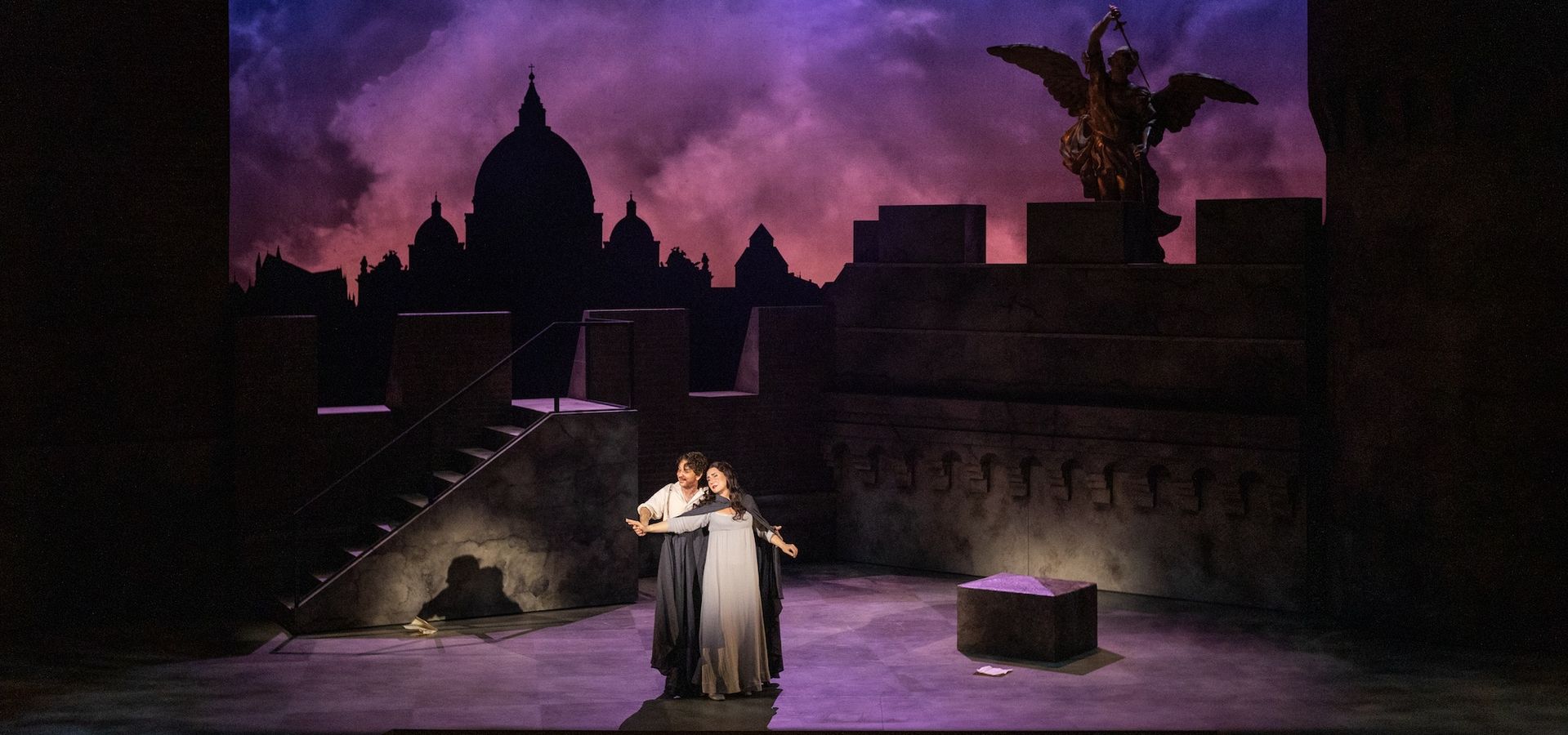
Tosca is an opera with a specific setting — Rome, June, 1800 — and it's Rome itself that's embodied in the statue. Rome is power, conquest, wealth, fame, and most importantly, legacy. A statue doesn’t sway in the wind or bend to others' whims; it's admired for centuries, written about in books, photographed by millions. Rome isn't just a city, after all; it's an empire, a synonym for enormous power.
In their own ways, the characters of Tosca all strive for this kind of historical immortality.
Floria Tosca, the famous and beloved opera singer, considers her craft a gift, even a vessel, of God. In her famous Act II aria, "Vissi d'arte" ("I have lived for art"), we can fully grasp how much it means to Tosca to be able to sing and be surrounded by beauty and to uplift others with her music. Like most opera singers — if they're brave enough to admit it — Tosca wants to leave a legacy with her art.
Mario Cavaradossi, the painter and Tosca's lover, is an idealist with his art; his portrait of the Madonna is so life-like that it spurs one of Tosca's famous fits of jealousy. His politics are idealized, too; he kicks off the action of Act I by protecting his friend, an escaped political prisoner, hiding him from the clutches of the Chief of Police. Like Tosca, Cavaradossi wants to make his mark on history, both with his art and by working to place political power in honourable leaders. See? Legacy.
Chief of Police Baron Scarpia is corruption incarnate. He’s the kind of slippery politician who’s well-dressed, church-going, with great taste in wine; but also has a terrifying torture room for political prisoners, and he's willing to hurt people to get what he wants. He’s the ugly side of Rome, the conquering and the sadism and the wielded fist — yet in history, everyone remembers a Roman Emperor.
All these characters want to wield some sort of lasting power. Scarpia wants it the brutal way; Cavaradossi and Tosca want to leave the world a better place. But all of them want legacy.
Tosca is iconic for a reason: get swept away by Puccini's ultimate fusion of beauty and drama live at the Southern Alberta Jubilee Auditorium, OCT 16–24, 2026. Find more details and tickets.
Suggested stories